Who pays for biohazard cleanup in Salt Lake City? Homeowners insurance, landlords, estates and options explained. General information, no legal advice.
Homeowners Insurance: When It Helps
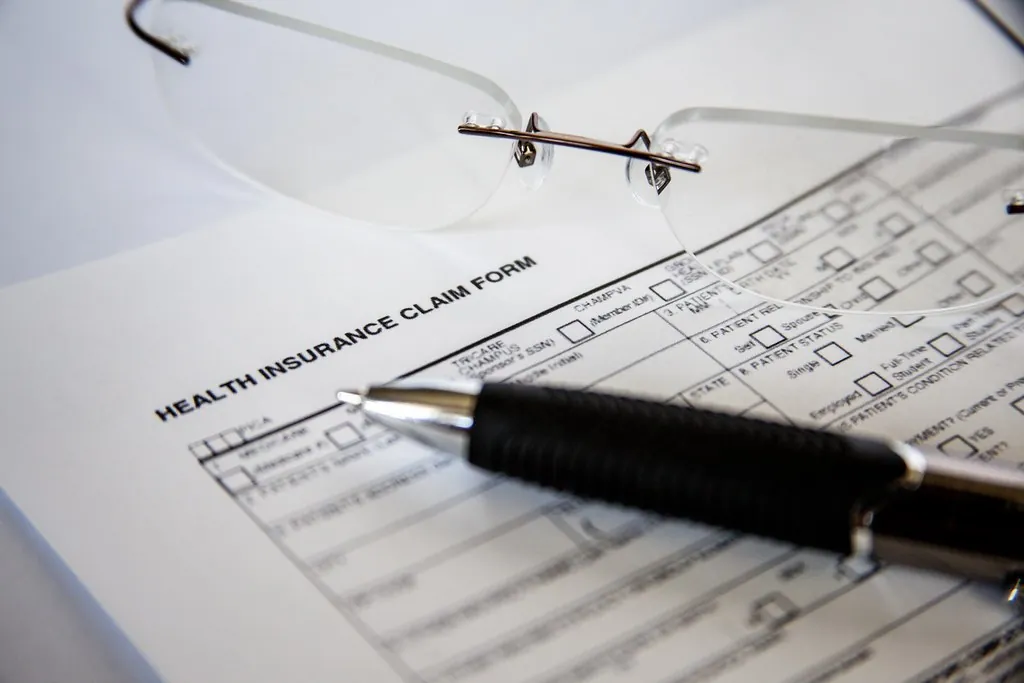
Homeowners insurance sometimes covers biohazard cleanup, and sometimes does not — it depends on the policy and the situation. A death in the home, a crime scene, a meth discovery: each one is handled differently, and the policy is the authority. No promise is made here about any specific claim.
Whatever the cover, documentation matters: photos, an itemised list, and the contractor's notes. The insurance claim guide explains the process.
Landlords and Property Managers
Landlords and property managers often pay for biohazard cleanup themselves, because the home cannot be rented again until it is cleaned. Landlord insurance sometimes covers it, and sometimes does not — it depends on the policy. The unattended death and meth lab pages explain the landlord's side of the job.
Estates and Families
When the person who lived in the home has died, the estate often pays — the cleanup is part of settling the estate, and the cost comes out of it. Families sometimes pay directly, and sometimes the cost is shared. The unattended death cleanup page explains the family's side.
When No One Pays: What Then?
When no insurance covers it and no estate pays, the family or the landlord pays directly. Some cleanup services offer payment plans, and some situations qualify for victims' compensation. Ask the contractor what the options are — the call is free, and there is no obligation.
Water, fire or biohazard damage in Salt Lake City? Call now.
One call connects you with an independent local restoration contractor.