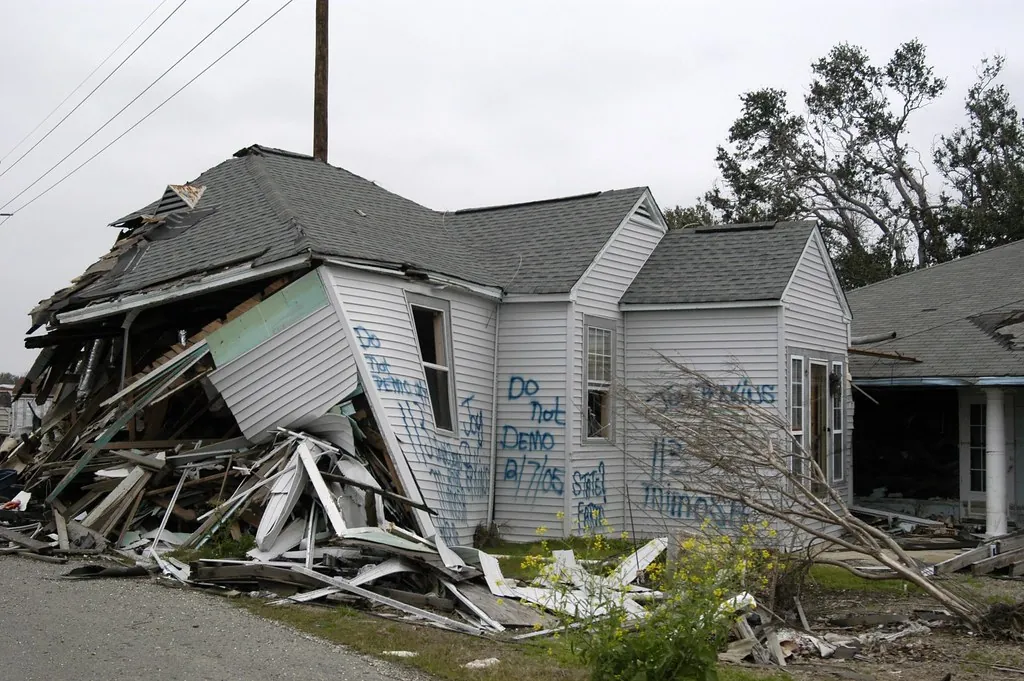
Storm damage restoration in Salt Lake City covers wind and hail damage to roofs, heavy snow loads, and flash flooding after summer cloudbursts. The first step is always securing the property — board up and tarping — then documenting the damage for the insurance claim.
Types of Storm Damage in the Salt Lake Valley
Salt Lake City's storms are specific. Canyon downslope windstorms tear at roofs on the east side. Heavy snow loads strain roofs and gutters all winter. Summer cloudbursts dump inches of rain in an hour and flash-flood streets and basements. Hail damages roofs, siding and windows.
The verified local anchors are recent: the August 2026 Sandy cloudburst, the August 2023 Draper mudslide, and the spring snowmelt floods of 2023. The flood-risk guide explains the full picture.
Wind and Hail Damage to Roofs
Wind lifts shingles and flashing, and hail bruises and cracks them. The damage is often invisible from the ground — a roof can look fine and still be leaking. The signs inside are water stains on ceilings, damp insulation in the attic, and granules from the shingles washing into the gutters.
Whether roof repair is part of the restoration job is confirmed with the contractor — the scope is an owner decision, not assumed here. What the restoration job always includes is securing the roof with tarping, drying what got wet, and documenting the damage for the claim.
Flash Flooding After Summer Storms
Summer cloudbursts are the Salt Lake Valley's flash-flood risk. A storm cell can drop inches of rain on a canyon or a neighbourhood in an hour, and the water has nowhere to go — streets flood, window wells fill, basements take water. The August 2026 Sandy cloudburst is the recent example.
Flash-flood water is not clean water. It picks up soil, debris and contaminants on its way in, and the cleanup treats it accordingly. The flood damage restoration page explains the categories and the cleanup.
Storm Damage and Insurance Claims
Storm damage claims live or die on documentation. Photos taken before anything is cleaned or repaired, the date and time of the storm, moisture readings, and an itemised list of what was damaged. Board up and tarping costs are part of the claim — they are the reasonable step to stop the damage getting worse.
The insurance claim guide walks through the process step by step, including estimates, adjusters and Xactimate.
Frequently Asked Questions
What counts as storm damage for an insurance claim?
Damage caused by wind, hail, heavy snow or flash flooding — a roof damaged by wind, a ceiling stained by a storm leak, a basement flooded by a cloudburst. What counts depends on the policy, and documentation — photos, dates, moisture readings — decides the claim.
Who repairs roof damage after a storm in Salt Lake City?
Whether roof repair is part of the restoration job is confirmed with the contractor. What the restoration job always includes is securing the roof with tarping, drying what got wet, and documenting the damage for the insurance claim.
How fast should storm damage be cleaned up?
As soon as it is safe to enter the property. The first step is securing it — board up and tarping — so the damage does not get worse. Then the water is extracted and the structure is dried. Waiting lets water soak deeper and lets mold start.
Does insurance cover flash flood damage in Utah?
Flash flood water from outside the home usually needs a separate flood policy — standard homeowners insurance usually does not cover it. Damage from wind and hail usually is covered. The insurance claim guide explains the distinction.
What should I do after a storm damages my home?
Stay safe first — do not enter a damaged home until it is safe, and do not touch electrical equipment in standing water. Photograph everything before you clean or repair anything. Then call your insurer and a restoration contractor. Board up and tarping come first, to secure the property.
Water, fire or biohazard damage in Salt Lake City? Call now.
One call connects you with an independent local restoration contractor.