
Fire damage restoration in Salt Lake City covers inspection, debris removal, smoke and soot cleaning, odour treatment, drying of firefighting water, contents cleaning and repairs. Damage keeps growing after the fire is out — acidic soot discolours surfaces and hose water soaks into floors — so cleanup should start as soon as the property is safe to enter.
What Fire Damage Restoration Includes
Fire damage restoration is the full job after the fire is out and the property is safe to enter. It starts with inspection and debris removal, then smoke and soot cleaning, odour treatment, drying of the water the firefighters used, contents cleaning, and repairs.
The order matters. Soot is acidic and keeps damaging surfaces the longer it sits, so cleaning should not wait. Hose water soaks into floors and basements and needs drying before it causes more damage. The smoke and soot cleanup page explains that part of the job in detail.
How Fire Damage Keeps Growing After the Flames
The fire is out, but the damage is not finished. Soot is acidic — it discolours walls, ceilings and contents, corrodes metal, and etches glass. The longer it sits, the worse it gets. That is why the first advice after a fire is always the same: do not wipe soot, and do not wait.
Hose water is the second growing problem. Firefighting uses thousands of gallons, and that water soaks into floors, basements and wall cavities. It needs extraction and drying, just like any other water damage — and the water extraction and drying page explains how that works.
Odour is the third. Smoke smell settles into fabrics, ductwork and porous materials, and it lingers for months if the soot is not cleaned properly. The blog on removing smoke smell after a fire explains what works and what does not.
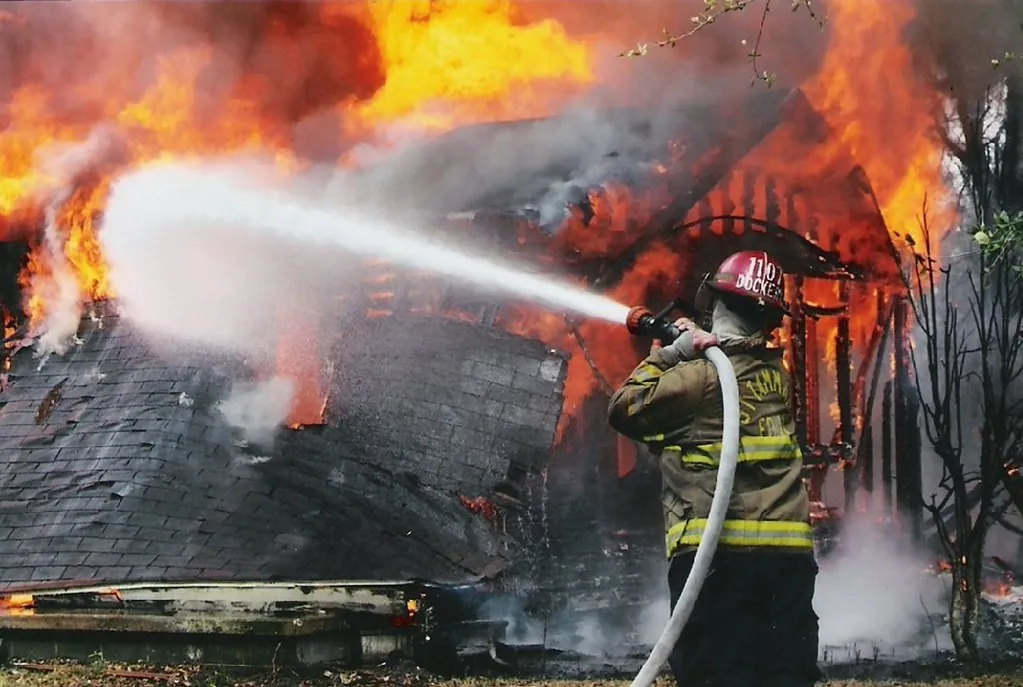
Smoke, Soot and Odour Removal
Smoke and soot cleaning is a specialist job inside the fire job. Soot is removed from walls, ceilings and contents with methods matched to the surface — dry chemical sponges for light soot, wet cleaning for heavier deposits, and disposal where the material cannot be saved. Odour is treated at its source, not masked: the soot has to come out before the smell goes away.
Older Salt Lake City homes need extra care. Plaster walls and Avenues woodwork are damaged by the wrong cleaning method, and the soot in them is often the hardest to remove. The smoke and soot page covers the older-home angle.
Water Damage From Firefighting
Firefighting water is a water damage job inside the fire job. It soaks into floors and basements, wicks up drywall, and sits in wall cavities. It is extracted with pumps and vacuums, and the structure is dried with dehumidifiers and air movers, guided by moisture mapping.
The water is usually clean water, but it picks up soot and debris on its way through the house, so the cleanup treats it accordingly. The drying is measured with moisture meters, and the readings are part of the insurance documentation.
Fire Damage and Insurance Claims
House fires are usually covered by a standard homeowners policy, and the claim is one of the larger ones a homeowner will ever file. Documentation decides it: photos taken before anything is cleaned, an itemised list of damaged contents, moisture readings, and estimates.
Do not throw anything away before it is documented — damaged contents are part of the claim. The insurance claim guide walks through the process, and the what to do after a fire guide covers the first steps.
Frequently Asked Questions
How long does fire damage restoration take in Salt Lake City?
It depends on the size of the fire, how much smoke and soot spread, and how much water the firefighters used. Drying and cleaning come first, then repairs. No timeline is promised here, because every fire is different.
What is included in fire damage restoration?
Inspection, debris removal, smoke and soot cleaning, odour treatment, drying of firefighting water, contents cleaning, and repairs. The exact scope depends on the fire — a small kitchen fire and a whole-house fire are very different jobs.
Can a home be saved after a serious fire?
Often, yes — it depends on the structural damage. A home with heavy structural damage may need reconstruction; a home with smoke, soot and water damage usually can be restored. Whether reconstruction is handled in-house or referred out is still being confirmed for this service.
Does insurance cover fire damage restoration?
House fires are usually covered by a standard homeowners policy. Documentation decides the claim: photos before cleaning, an itemised list of damaged contents, moisture readings, and estimates. Do not throw anything away before it is documented.
Should I clean soot myself after a fire?
No. Soot is acidic, and wiping it spreads it and pushes it deeper into surfaces. It also needs protective equipment. Leave soot cleaning to the professionals, and do not enter the home until the fire department says it is safe.
Water, fire or biohazard damage in Salt Lake City? Call now.
One call connects you with an independent local restoration contractor.