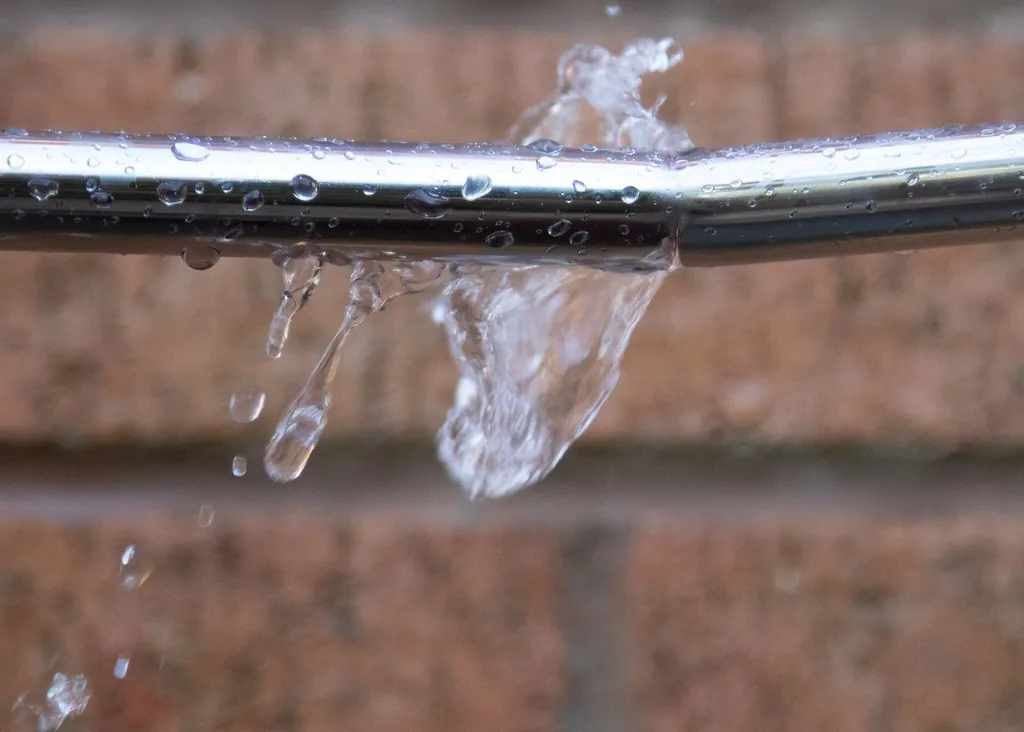
A burst pipe in Salt Lake City usually means frozen water expanding inside a pipe until it splits, often in an exterior wall, attic or crawl space. The pipe itself is a plumber's job; the water damage — extraction, structural drying, repairs and the insurance claim — is a restoration job.
What to Do in the First 10 Minutes After a Pipe Bursts
Find the main water shutoff and turn it off. In most Salt Lake City homes it is near where the water line enters the house — often in the basement, the utility room or a crawl space access. If you cannot find it, call the water utility or a plumber while the water is still running.
Turn off the electricity to any room with standing water, and do not walk through water near outlets or appliances. Move rugs, electronics and anything that can be carried out of the water. Then take photos of everything before you start cleaning — the insurance claim needs them.
Call a plumber to fix the pipe, and call a restoration contractor for the water. The two jobs are different, and they usually happen in that order.
Why Pipes Burst in Salt Lake City Winters
Salt Lake City sees around 128 days a year at or below freezing. Water inside a pipe expands as it freezes, and the pressure builds until the pipe splits — usually not at the frozen spot itself, but a little way along it, where the pressure is highest.
The pipes that burst most often are the ones in unheated spaces: exterior walls, attics, crawl spaces, garages and the walls of older homes in the Avenues and Sugar House, where insulation is thin and pipes run close to the outside. Pipes on the north side of a house, and pipes near a draughty window or vent, are the usual suspects.
A pipe can also burst after a cold snap ends, when the ice thaws and water starts flowing through the split. That is why a home that seemed fine during the freeze can flood on the first warm day.
Water Extraction and Drying After a Burst Pipe
Once the pipe is fixed, the restoration job starts with extraction: pumps and vacuums remove the standing water. Then comes structural drying — dehumidifiers and air movers, guided by moisture meters and thermal imaging, dry the walls, floors and framing that look dry but are not.
Drying is not guesswork. Moisture readings are taken at the start and repeated as the job goes on, so the contractor knows when the structure is actually dry — not just dry to the touch. Wet drywall, insulation and flooring may need to be removed; what can be saved depends on the material and how long it was wet.
The water extraction and drying page explains the process in detail, including moisture mapping and how Salt Lake City's dry air affects drying.
Will Insurance Cover a Burst Pipe?
A sudden burst pipe is usually covered by a standard homeowners policy — it is the classic sudden-and-accidental claim. What is often not covered is the damage from a slow leak that went unnoticed for weeks, or from a pipe that burst because the home was left unheated.
Documentation decides the claim. Photos taken before cleaning, moisture readings, an itemised list of what was damaged, and the plumber's note about what failed — the insurance claim guide explains the full process, step by step.
How to Prevent the Next Freeze
Insulate the pipes that freeze first — the ones in exterior walls, attics and crawl spaces. Let faucets drip during a hard freeze, open cabinet doors under sinks on exterior walls, and keep the heat on even when you are away. The frozen-pipe prevention guide covers the full checklist, and the blog explains why pipes burst in Salt Lake City winters.
Frequently Asked Questions
How much does burst pipe water damage repair cost in Salt Lake City?
There is no published price for this work, because the cost depends on how much water escaped, how long it ran, and what it reached. The water damage cost guide explains what affects the price — the size of the job, the materials affected, and how insurance fits in. A contractor gives an accurate quote after seeing the damage.
What should I do first when a pipe bursts in my home?
Turn off the main water supply, turn off electricity to rooms with standing water, and move what you can out of the water. Take photos of everything before you clean. Then call a plumber to fix the pipe and a restoration contractor for the water damage.
Can a burst pipe cause mold in my home?
It can, if the structure stays wet. Mold needs moisture, and wet drywall, insulation and wood are ideal places for it. That is why drying matters — the structure must be dried properly, not just wiped down. The blog post on mold after water damage explains when it becomes a concern and when to call an independent mold assessor.
How long does it take to dry a home after a burst pipe?
It depends on how much water escaped and what it soaked into. Drying is measured with moisture meters, not guessed — the contractor takes readings and repeats them until the structure is actually dry. No timeline is promised here, because every job is different.
Will my insurance cover burst pipe water damage?
A sudden burst pipe is usually covered by a standard homeowners policy. A slow leak that went unnoticed, or a pipe that burst because the home was left unheated, may not be. Documentation — photos, moisture readings, the plumber's note — decides the claim.
Water, fire or biohazard damage in Salt Lake City? Call now.
One call connects you with an independent local restoration contractor.