What to do after water damage in Salt Lake City: shut off the water, stay safe, document everything and call for help. First steps, in order, no jargon.
First: Stay Safe
Do not walk into standing water until you know the power is off. Water and electricity are a dangerous combination. Do not touch electrical equipment, outlets or appliances in a wet room. If the water smells of sewage, do not touch it at all — sewage is the most contaminated category of water.
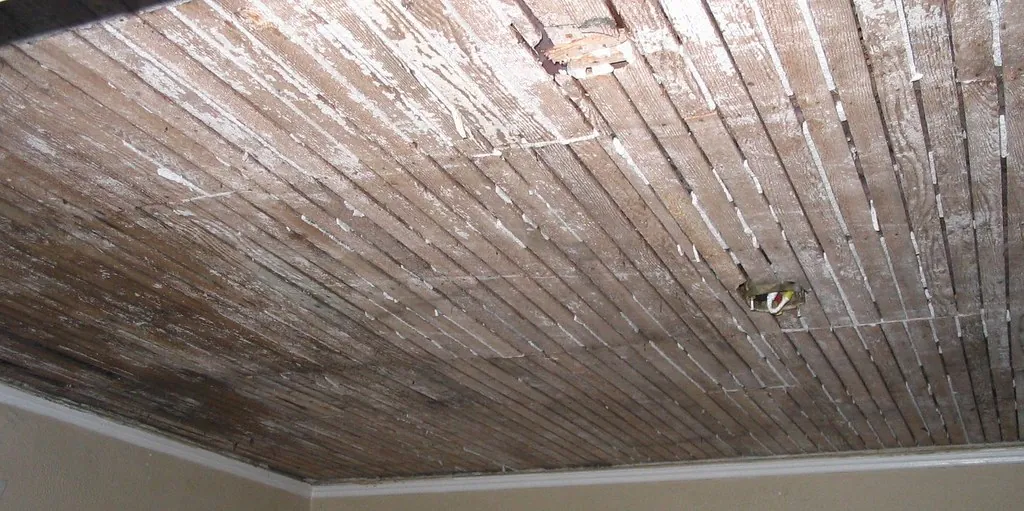
If the ceiling is sagging or bulging, stay out of the room — a waterlogged ceiling can come down. If you are unsure whether a room is safe, stay out and call for help.
Stop the Water if You Can
If the water is coming from a pipe or an appliance, turn off the main water supply. In most Salt Lake City homes it is near where the water line enters the house — often in the basement, the utility room or a crawl space access. If you cannot find it, call a plumber.
If the water is coming from outside — snowmelt, a flood, a cloudburst — you cannot stop it. Move what you can out of the way, and focus on documentation and the call for help.
Document Everything Before You Clean
Photograph everything before you move or clean anything. Every room, every damaged item, every stain and every puddle. Video helps too — walk through the home slowly, narrating what you see. The insurance claim needs these photos, and once something is cleaned or thrown away, it cannot be documented.
Write down when the damage happened, what caused it, and what you did first. Keep every receipt. An itemised list of damaged contents is the part most people skip, and the part adjusters ask for first.
What Not to Do
Do not use a household vacuum to remove water — it is not built for it, and it is dangerous. Do not use a fan and a dehumidifier and assume the job is done — household equipment cannot dry a flooded room or find hidden water inside walls. Do not throw anything away before it is documented. Do not clean sewage yourself.
When to Call for Help
Call a restoration contractor as soon as the water is stopped and the photos are taken. The contractor explains what happens next — extraction, drying, repairs — and what the visit involves. If the water is still coming in, call a plumber first, then a restoration contractor.
The service pages on this site explain each kind of water job: burst pipes, flooded basements, sewage and flood damage.
Water, fire or biohazard damage in Salt Lake City? Call now.
One call connects you with an independent local restoration contractor.