Emergency board up covers broken windows and doors with plywood to secure a home after fire, storm or break-in; tarping covers a damaged roof to keep rain out. Both are temporary — they protect the property until permanent repairs can be made.
When Your Home Needs Boarding Up
A home needs boarding up when it cannot be secured any other way: broken windows after a fire, a door forced open, a wall damaged by a storm, a roof opened up by wind or hail. An unsecured home is an open invitation — to weather, to animals, and to people who should not be there.
Board up is also what the insurance company expects. Most policies require the homeowner to take reasonable steps to stop the damage getting worse, and securing the property is the first of those steps.
How Emergency Board Up Works
Board up means covering broken windows and doors with plywood, cut to fit and fixed securely. It is not pretty, and it is not meant to be — it is temporary, and it is meant to hold until permanent repairs can be made.
The work is done from the outside where possible, and the openings are measured and covered one by one. The contractor notes what was covered and photographs it, because the board up itself is part of the insurance claim.
Tarping a Damaged Roof
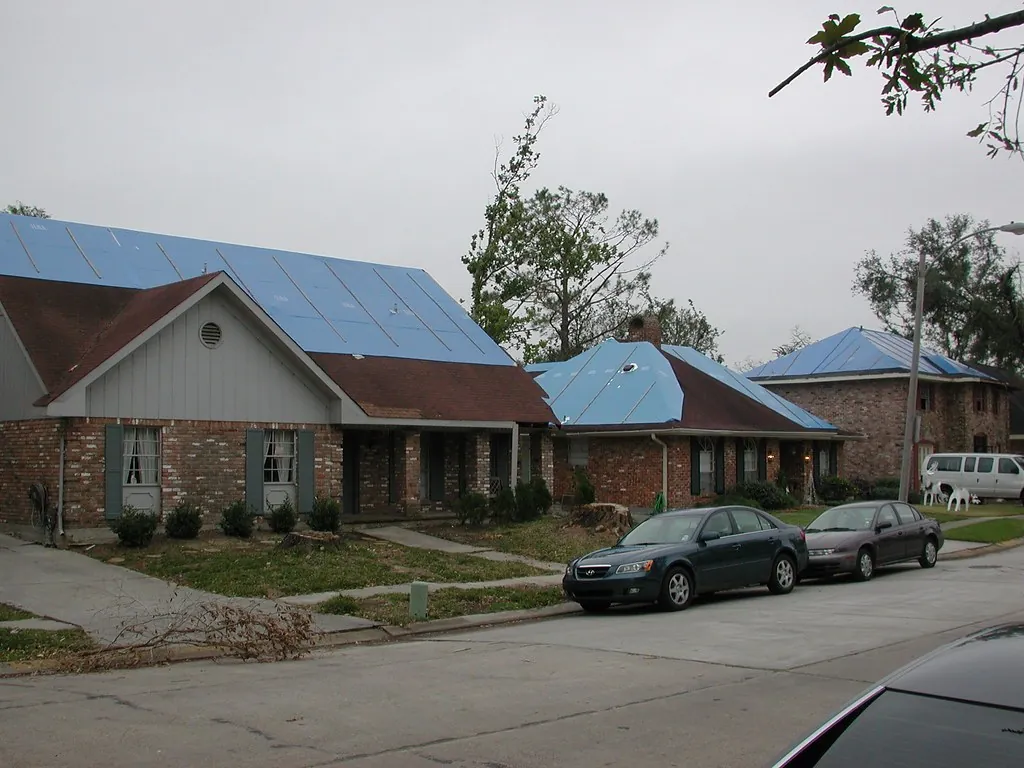
Tarping covers a damaged roof to keep rain out. A heavy tarp is secured over the damaged area, anchored so the wind cannot lift it, and sealed at the edges. It is temporary — weeks, not months — and it buys the time to dry the interior and plan the roof repair.
Whether roof repair is part of the restoration job is confirmed with the contractor. What the restoration job always includes is the tarping, the drying of what got wet underneath, and the documentation for the claim.
Board Up, Tarping and Your Insurance Claim
Board up and tarping costs are part of the claim. They are the reasonable step to stop the damage getting worse, and insurers expect them. The contractor photographs what was covered and keeps the measurements and materials on the record.
What the claim needs is the same as every other part of the job: photos before and after, an itemised list, and the contractor's notes. The insurance claim guide explains the process.
Frequently Asked Questions
When does a home need emergency board up?
When it cannot be secured any other way — broken windows after a fire, a door forced open, a wall damaged by a storm, a roof opened by wind or hail. An unsecured home invites weather, animals and people who should not be there.
How long can board up stay on a home?
Board up is temporary — it protects the property until permanent repairs can be made. How long it stays depends on how quickly the repairs are planned and scheduled. It is not a permanent fix.
Does insurance pay for emergency board up and tarping?
Usually, yes — board up and tarping are the reasonable step to stop the damage getting worse, and insurers expect them. The contractor photographs what was covered and keeps the measurements and materials on the record for the claim.
Can I board up my own windows after a fire?
You can, if it is safe to do so — but a fire-damaged home may not be safe to enter, and the work needs to be done properly to hold. If you are unsure, call a contractor. Do not enter a home until the fire department says it is safe.
What is the difference between board up and tarping?
Board up covers broken windows and doors with plywood to secure the home. Tarping covers a damaged roof to keep rain out. Both are temporary, and both are part of securing the property after fire or storm.
Water, fire or biohazard damage in Salt Lake City? Call now.
One call connects you with an independent local restoration contractor.