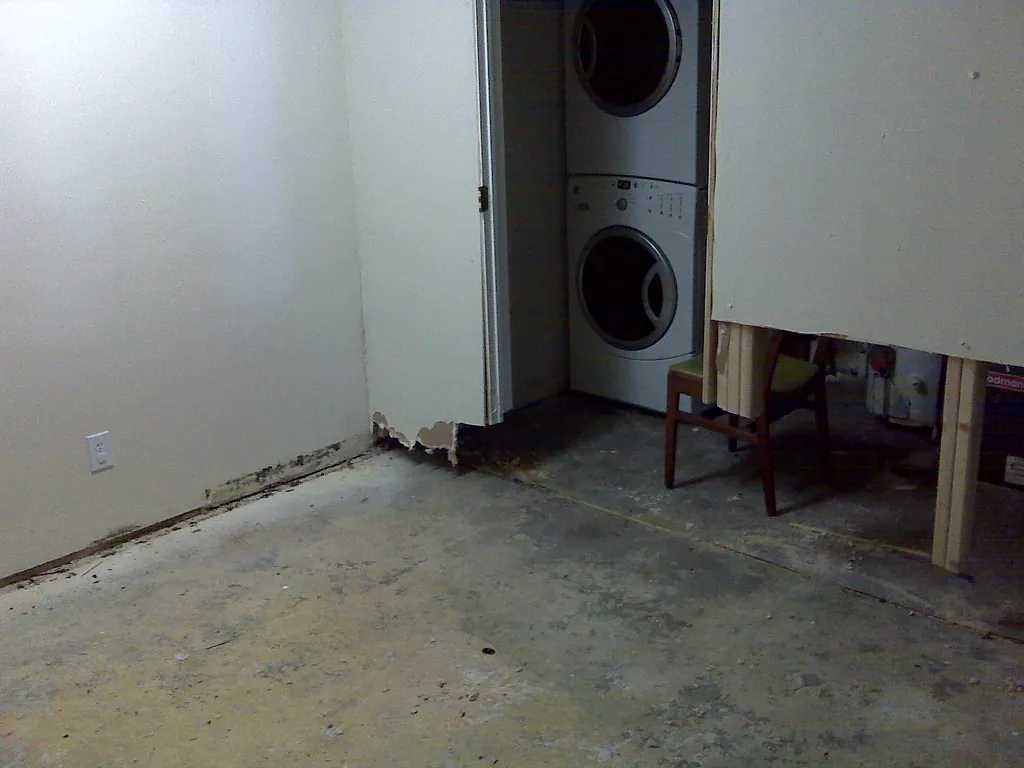
Flood damage restoration in Salt Lake City covers cleanup, water extraction, structural drying and repairs after snowmelt flooding, canyon-creek flooding, burst pipes, appliance leaks and sewer backups. Standard homeowners insurance usually does not cover flood water from outside the home — that needs a separate flood policy.
What Flood Damage Restoration Includes
Flood damage restoration is the full job, from the first call to the finished repair. It starts with finding and stopping the water, then removing the standing water, then drying the structure, then cleaning and disinfecting, and finally repairing what was damaged.
What the job looks like depends on the water. Clean water from a supply line is one job. Grey water from an appliance is another. Black water — sewage, or flood water that has picked up contaminants on its way in — is a third, and it changes the cleanup entirely: more protection, more disposal, more disinfection. The blog explains water damage categories 1, 2 and 3 in plain language.
Common Causes of Flooding in Salt Lake City Homes
Salt Lake City floods from the inside and from the outside. From the inside: burst pipes, water heater failures, washing machine hoses, dishwasher and refrigerator lines, and roof leaks that let meltwater in. From the outside: spring snowmelt, canyon-creek flooding, and summer cloudbursts that overwhelm drains.
The outside causes are the ones this city is known for. Snowmelt runs from April to July, and the canyon creeks — Big and Little Cottonwood, Mill, Parleys, City and Emigration — can rise fast. The Jordan River corridor floods when the river is high. The Salt Lake City flood-risk guide explains where the city floods and why.
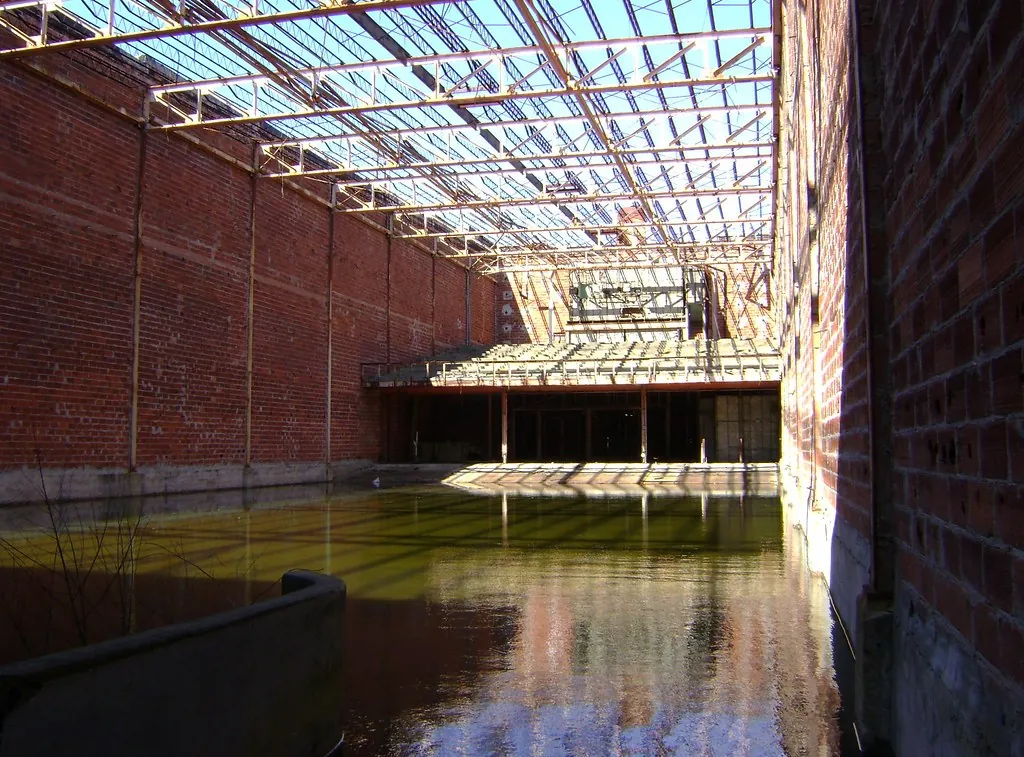
Flood Cleanup: Extraction, Drying and Repairs
Cleanup starts with extraction: pumps and vacuums take out the standing water. Then the structure is dried with dehumidifiers and air movers, guided by moisture mapping — meters and thermal imaging that find water inside walls and under floors.
Wet drywall, insulation and flooring are removed where they cannot be saved. What can be saved depends on the material and how long it was wet. Then the repairs begin: drywall, flooring, trim and paint, and the contents — furniture, documents, belongings — are cleaned and returned where possible. The contents cleaning and packout page explains that part of the job.
Flood Damage and Insurance Claims
The insurance question is the one that confuses people most, and it has a sharp edge: standard homeowners insurance usually covers water damage from inside the home — a burst pipe, an appliance leak — but it usually does not cover flood water that comes in from outside. That needs a separate flood policy, usually through the National Flood Insurance Program.
Whatever the policy, documentation decides the claim: photos before cleaning, moisture readings, an itemised list, and estimates. The insurance claim guide walks through the process step by step.
Flood Risk in the Salt Lake Valley
Flood risk in the Salt Lake Valley is not evenly spread. The Jordan River corridor, the canyon creek mouths, and the west-side neighbourhoods with high water tables flood most often. Rose Park flooded in October 2025; Emigration Creek flooded Sugar House in April 2023; Sandy was hit by a cloudburst in August 2026.
The spring runoff flood prep post explains what to do before April, and the flood-risk guide explains the full picture.
Frequently Asked Questions
What is the difference between flood damage restoration and water removal?
Water removal is one step — taking the standing water out. Flood damage restoration is the full job: stopping the water, removing it, drying the structure, cleaning and disinfecting, and repairing what was damaged. Removal alone leaves wet walls and floors that cause problems later.
How long does flood damage restoration take in Salt Lake City?
It depends on how much water came in, what it reached, and whether it was clean water or contaminated. Drying is measured with moisture meters, not guessed, and repairs start after the structure is dry. No timeline is promised here, because every job is different.
Does homeowners insurance cover flood damage in Utah?
Usually not for flood water from outside the home — that needs a separate flood policy. Water damage from inside the home, like a burst pipe or an appliance leak, is usually covered. The insurance claim guide explains the distinction and the documentation a claim needs.
What should I do with wet furniture after a flood?
Move it out of the water if you can do so safely, and photograph it first. Do not throw anything away before the insurance claim is documented — wet furniture is part of the claim. Contents cleaning can save more than most people expect, depending on the material and how long it was wet.
Can I stay in my home during flood damage restoration?
It depends on the extent of the damage and whether the water was contaminated. Small jobs often allow you to stay. Larger jobs, or jobs involving sewage or flood water from outside, often do not. The contractor explains what is safe after the inspection.
Water, fire or biohazard damage in Salt Lake City? Call now.
One call connects you with an independent local restoration contractor.