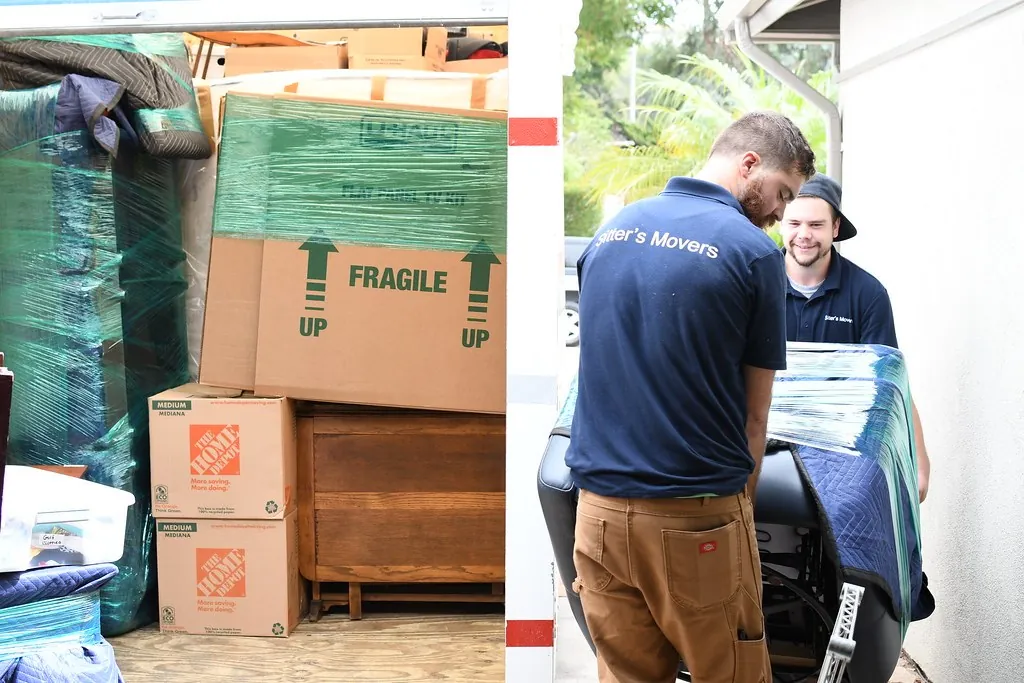
Contents cleaning and packout means removing furniture, documents and belongings from a damaged home, cleaning and restoring what can be saved, storing it safely during repairs, and returning it when the home is ready. What can be saved depends on the material and the damage — some items can be restored, some cannot.
What Contents Cleaning Includes
Contents cleaning covers everything in the home that is not part of the structure: furniture, clothing, documents, photographs, electronics, kitchenware, keepsakes. Each item is inspected, and the ones that can be saved are cleaned with methods matched to the material and the damage — soot cleaning for fire, washing and drying for water, ozone or other odour treatment for smoke.
What cannot be saved is documented for the insurance claim, with photos and an itemised list. Nothing is thrown away before it is documented.
How Packout Works
Packout is the removal of contents from the home so the structure can be dried and repaired. Items are inventoried as they are packed, labelled by room, and moved to storage. The inventory is the record the insurance claim needs — and the record that makes sure everything comes back to the right room.
Whether storage is handled by the contractor or referred out is confirmed on the call — the storage scope is an owner decision, not assumed here.
What Can Be Saved (and What Cannot)
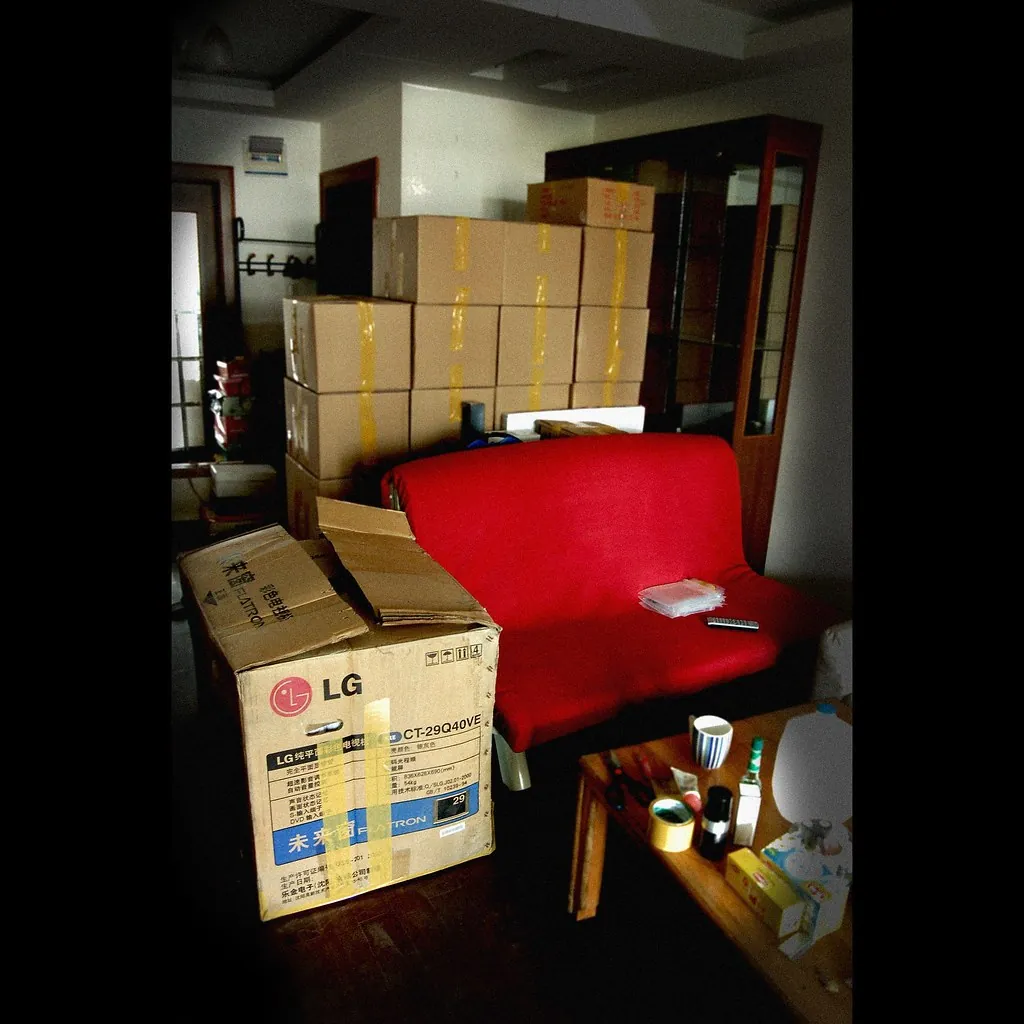
Hard furniture usually can be saved. Solid wood, metal and glass clean well. Upholstery and fabrics depend on the damage — smoke and soot can often be cleaned out, but heavy contamination cannot. Paper documents and photographs can sometimes be saved with specialist drying. Electronics depend on whether water or soot reached the inside.
No promise is made for any specific material. What can be saved is decided item by item, after inspection — and what cannot be saved is documented for the claim.
Contents Cleaning and Your Insurance Claim
Contents are part of the claim, and the claim needs the inventory: photos of each item, its condition, and whether it was cleaned, stored or disposed of. The packout inventory is built for exactly that.
The insurance claim guide explains the process, including estimates, adjusters and Xactimate.
Frequently Asked Questions
What is packout in restoration?
Packout is the removal of furniture, documents and belongings from a damaged home so the structure can be dried and repaired. Items are inventoried as they are packed, labelled by room, and stored until the home is ready for them to return.
Can furniture be saved after fire or water damage?
Often, yes. Hard furniture — solid wood, metal, glass — usually cleans well. Upholstery and fabrics depend on the damage. What can be saved is decided item by item, after inspection, and what cannot be saved is documented for the insurance claim.
How are belongings stored during restoration?
Belongings are inventoried, labelled by room, and stored in a clean, dry place during repairs. Whether storage is handled by the contractor or referred out is confirmed on the call.
Does insurance cover contents cleaning?
Contents are part of most homeowners claims, and the packout inventory — photos, condition, cleaned or disposed of — is the record the claim needs. The insurance claim guide explains the process.
What happens to items that cannot be restored?
They are photographed, listed on the inventory, and disposed of — but only after they are documented for the insurance claim. Nothing is thrown away before it is documented.
Water, fire or biohazard damage in Salt Lake City? Call now.
One call connects you with an independent local restoration contractor.